Clemora Estate
00%

Author name: clemora_estate

Uncategorized

Why Delhi NCR Buyers Are Investing in New Tehri

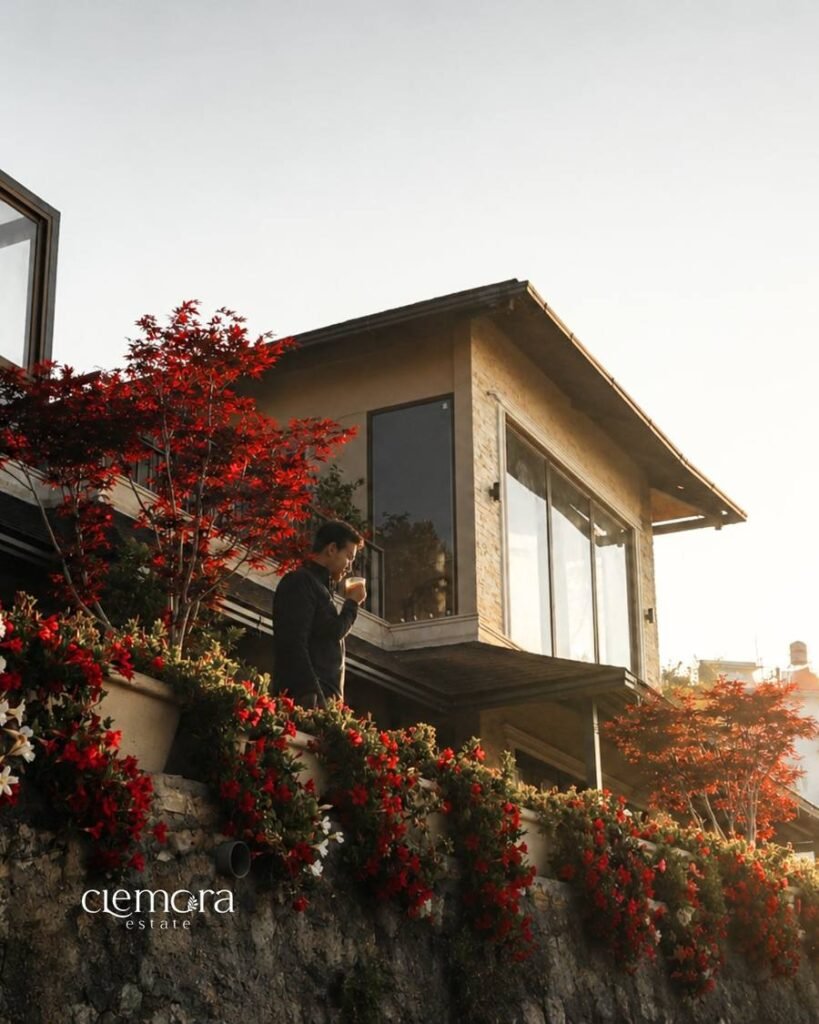
Ask anyone in Noida, Gurgaon, or South Delhi where they’d go for a weekend if traffic and distance weren’t a problem, and you’ll hear the familiar names like Mussoorie, Nainital, Rishikesh. Ask them again in a year, and don’t be surprised if New Tehri is on that list too. Something has genuinely shifted for NCR buyers this year. It’s the math. The drive that used to make a hill property feel like a “someday” purchase has gotten dramatically shorter, the government’s spending big money to turn the region into a destination, and the land itself is still the kind of untouched compared to NCR’s usual hill-station options. Put those three together, and it’s easy to see why New Tehri has quietly become one of the most-watched addresses for second-home buyers this year. The Expressway Changed the Math For years, the honest pitch for any Uttarakhand property has come with an asterisk: it’s beautiful, but it’s a haul. A Delhi-to-Dehradun weekend meant a 6-hour drive each way, which turned a relaxing getaway into a long two days journey. That asterisk is gone. On April 14, 2026, Prime Minister Narendra Modi inaugurated the new Delhi–Dehradun Expressway; a 210-km, six-lane, access-controlled corridor built under the Bharatmala Pariyojana initiative, running from Akshardham through Baghpat, Shamli, and Saharanpur into Uttarakhand. Overnight, the six-hour grind on the old NH-7 became a 2.5-hour drive with zero traffic signals along the way. Onward destinations from 6-7 hour drives to around 3.5 to 4 hours.This is precisely the kind of infrastructure shift that tends to move property markets. NCR buyers didn’t stop wanting hill homes over the last decade, they just didn’t want to spend a full day getting to one. That barrier has now effectively been cut in half, and the buyers who’ve been thinking about it for years are the ones moving first. Delhi-NCR Property Is Maturing and Buyers Are Diversifying Delhi NCR is entering what analysts are calling a maturity phase in 2026, with steady, stable appreciation across segments. It is a healthy market, but no longer one where early, outsized gains are easy to find. Meanwhile, several industry voices tracking the hill-property space have pointed to a widening gap: while an apartment in Noida might appreciate in the single digits annually, land in strong Uttarakhand micro-markets has been posting appreciation well into the double digits. Unlike a lot of speculative real estate stories, people close to the ground describe this one as being driven by genuine end-user demand: people who actually want to use the property, not just flip it. That tends to create steadier, less volatile appreciation, which long-term buyers prefer. The Government Is Backing New Tehri Specifically NCR buyers aren’t just responding to a shorter drive, they’re responding to a specific bet the Uttarakhand government has placed on Tehri Lake. In March 2026, Chief Minister Pushkar Singh Dhami inaugurated the Himalayan O₂ Tehri Lake Festival and used the platform to lay out a vision of Tehri Lake as a global adventure sports and tourism hub, alongside the announcement of a new ropeway project. More than ₹1,300 crore in tourism and infrastructure projects are currently underway around the lake, including a ring road connecting key viewpoints and recreational areas, and the development of the village of Timad as a community tourism destination. During the same event, the CM laid the virtual foundation for the Koti–Dobra tourism road, which is a 15-km stretch worth roughly ₹318 crore, and is backed by the Asian Development Bank. This is a formally approved state plan, not a one-off announcement. Uttarakhand’s cabinet has given in-principle approval to develop the 42-square-kilometre Tehri Lake into a global tourism destination, and a master plan under review is exploring seaplane operations and two helipads along the new ring road. Backing it is a $126.4 million partnership with the Asian Development Bank for climate-resilient, low-carbon infrastructure, alongside job-training programs for local hospitality and women-led entrepreneurship. For an NCR buyer, this is the part that separates New Tehri from a scenic plot of land with no future. It’s a region with a funded, government-backed roadmap and much easier access. Still Genuinely Untouched Here’s what makes New Tehri different from the hill stations NCR buyers already know well: it hasn’t been over-built. The wider Tehri Garhwal region remains a largely rural, agricultural landscape of around 98 villages, with the Bhagirathi, Bhilangna, Alaknanda, Ganga, and Yamuna rivers running through it. Visitor numbers are rising, but they’re rising from a small base, not from an already-saturated one. The town itself carries an unusual history that adds real character rather than manufactured charm. Old Tehri once stood at the confluence of the Bhagirathi and Bhilangna rivers, but was submerged to create the Tehri Dam’s catchment. Its population resettled into the new hill town that stands today, overlooking the lake it replaced. What’s grown there since is a town with genuine forest cover, altitude, and space. This is the exact philosophy behind Clemora Estate, a collection of luxury villas being built in New Tehri itself. Rather than clearing land to fit a blueprint, Clemora starts with the land, its contours, its ancient trees, its natural light, and lets that shape where each villa sits. Biophilic architecture, heritage landscape preservation on every plot, zero-carbon construction, and private micro-ecosystems around each residence mean the “untouched” quality that’s drawing NCR buyers to the region in the first place isn’t just the view from the property, it’s built into how the property itself was designed. What NCR Buyers Actually Do When They Get There A second home only earns its keep if there’s a reason to keep returning, and New Tehri has plenty to offer: Tehri Lake is the perfect spot for kayaking, canoeing, jet-skiing, parasailing, and scuba diving, all set against Garhwal Himalayan views, with more water-sports infrastructure coming online as the government’s plans progress. Surkanda Devi Temple is a hilltop shrine with sweeping mountain views, part of a cluster of sacred sites in the region that make it a spiritual as
Uncategorized

Why the Hills Demand a Smarter Way to Build: The Case for LGSF Construction in the Himalayas

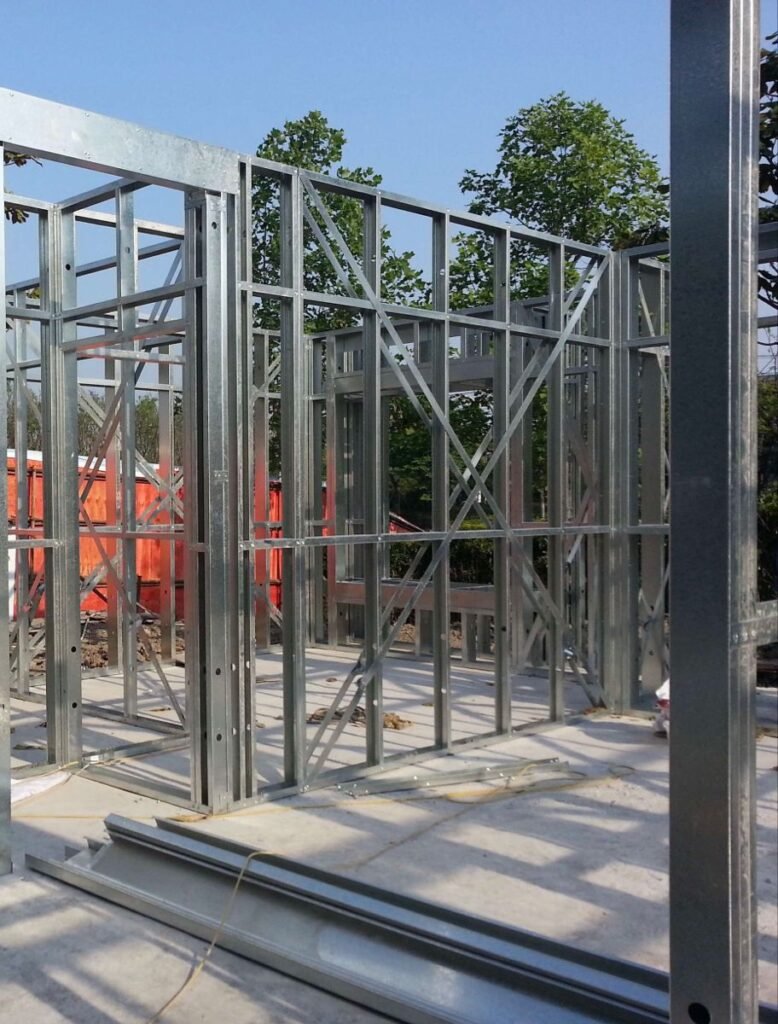
When you build in the plains, gravity is mostly your only opponent.The ground is flat. The soil is predictable. Trucks arrive on time, labourers areplentiful, and the biggest structural challenge is usually whether the contractorshowed up.Building in the Himalayas is an entirely different conversation. The terrain is steep,the seismic risk is real, the climate swings from hot summers to frozen winters,skilled labour is scarce, and the logistics of getting heavy materials up a mountainroad can add weeks and significant cost to a project. The question isn’t just what tobuild. It’s how. First, Let’s Talk About What the Ground Is Actually Doing BeneathYour Feet Uttarakhand is one of the most seismically active states in India. The Himalayan beltexists precisely because the Indian tectonic plate is still, actively, pushing northwardinto the Eurasian plate. That collision has been happening for 50 million years, and itshows no signs of slowing down. The Himalayas keep rising because the collisionkeeps happening.Under India;s existing seismic zoning classification, Tehri Garhwal falls under ZoneV, one of the two highest risk classifications in the country. In December 2025, theBureau of Indian Standards published a revised earthquake design code, IS1893:2025, which went further, placing the entire Himalayan arc includingUttarakhand in a newly created highest-risk Zone VI. The updated map uses modernphysics-based probabilistic hazard modelling rather than historic epicentre data,reflecting a more rigorous scientific understanding of what the Himalayan geology isactually capable of.This is not an abstract concern. The 2013 Kedarnath disaster demonstrated whatHimalayan geology does when the conditions align. The 1991 Uttarkashi earthquake,magnitude 6.8, killed over 700 people. The 1999 Chamoli earthquake, magnitude6.8, killed another 100. Geologists describe the Himalayan region as a system ofaccumulating stress that will, at some point, release. The question of when isunknowable. The question of whether your building can survive it is entirely withinyour control. Why Conventional RCC Construction Struggles in the Hills Reinforced cement concrete, RCC, is what most of India builds with. It is reliable,well-understood, and has an extensive track record in the plains. On a flat site, withgood road access and abundant water and aggregates, it is a perfectly sound choice.In the hills, several of those conditions change fundamentally.Concrete is heavy. An RCC structure carries enormous dead weight, which is exactlywhat you do not want in a seismic zone. The more mass a building has, the greaterthe seismic force it experiences during an earthquake, because seismic force isdirectly proportional to mass. A lighter building is not just more practical toconstruct in the hills. It is structurally safer.Concrete also requires water, which can be scarce at altitude. It requires curing time,which is affected by temperature swings. It requires skilled formwork, which isharder to source in remote locations. And once it cures, it is rigid. Rigidity is aliability in an earthquake, where the capacity to flex and absorb energy is whatdetermines whether a building survives or fails. What LGSF Actually Is, and Why It Changes the Calculation Light Gauge Steel Frame construction, LGSF, uses cold-formed steel sectionsassembled into structural frames for walls, floors, roofs, and trusses. The steel isgalvanised, formed in a factory to precise specifications, and arrives on site ready toassemble. No wet work. No curing time. No heavy machinery for the structural frameitself.The components are light enough to be transported on standard vehicles up narrowhill roads and assembled by a relatively small team with no requirement for theheavy cranes and concrete mixers that conventional construction needs. LGSFstructures are 80% lighter than equivalent RCC buildings, while maintaining asignificantly higher strength-to-weight ratio.That last point is the key one. The steel does not sacrifice strength for lightness. Itachieves both simultaneously, which is why it performs so well in the conditions theHimalayas create. The Seismic Argument, Which Is the Most Important One Steel is inherently ductile. Where concrete is rigid and brittle under stress, steelbends. In earthquake engineering, the ability to deform without fracturing is calledductility, and it is the single most important property a building material can have ina seismic event.When the ground moves, a ductile building moves with it. Energy is absorbed anddissipated through controlled deformation rather than sudden fracture. An LGSFstructure in an earthquake does not collapse the way an under-designed masonry orRCC building can. It flexes, absorbs, and in most cases, remains standing andstructurally sound after the event.LGSF structures are designed to withstand wind speeds of up to 250 kilometres perhour and seismic events across Zones IV and V under the existing Indian code, withthe flexibility of the frame geometry providing the ductility that rigid systems cannot match. Under the 2025 revised code’s Zone VI classification, the same principlesapply with even greater engineering relevance. The Practical Case: Faster, Cleaner, More Precise Beyond the structural argument, LGSF changes the experience of construction on ahill site in ways that matter practically.Speed: LGSF projects complete 30 to 50% faster than equivalent RCC construction.Components are prefabricated in controlled factory conditions to CAD-designedspecifications, then transported and assembled on site. There are no weather-dependent curing delays. No monsoon shutdowns while the concrete sets.Waste: Traditional construction on a hill site generates significant material waste,spoil, unused aggregate, leftover concrete, all of which has to be managed on a sitewhere space is already constrained. LGSF is a near-zero-waste system. Componentsare cut to specification before arrival. What is delivered is what is used.Precision: Factory-fabricated components mean dimensional accuracy that on-siteconstruction cannot reliably match. Every joint is engineered. Every frame isconsistent. The result is a structure that performs exactly as designed, notapproximately as built. The Sustainability Dimension For those building with a longer view, the environmental argument for LGSF in thehills is also significant. Steel is 100% recyclable. At end of life, an LGSF structure’s materials have genuine residual value and can be fully recovered, unlike demolished concrete, which typically becomes landfill. The precision of the system means construction waste on site is a fraction of conventional methods.The insulation systems integrated into LGSF walls and roofs reduce heating andcooling loads by 20 to 30%, which at altitude, where temperature swings betweenday and night can be dramatic, makes a meaningful difference to both energyconsumption

Uncategorized

Is New Tehri the Next Big Real Estate Story in Uttarakhand ?

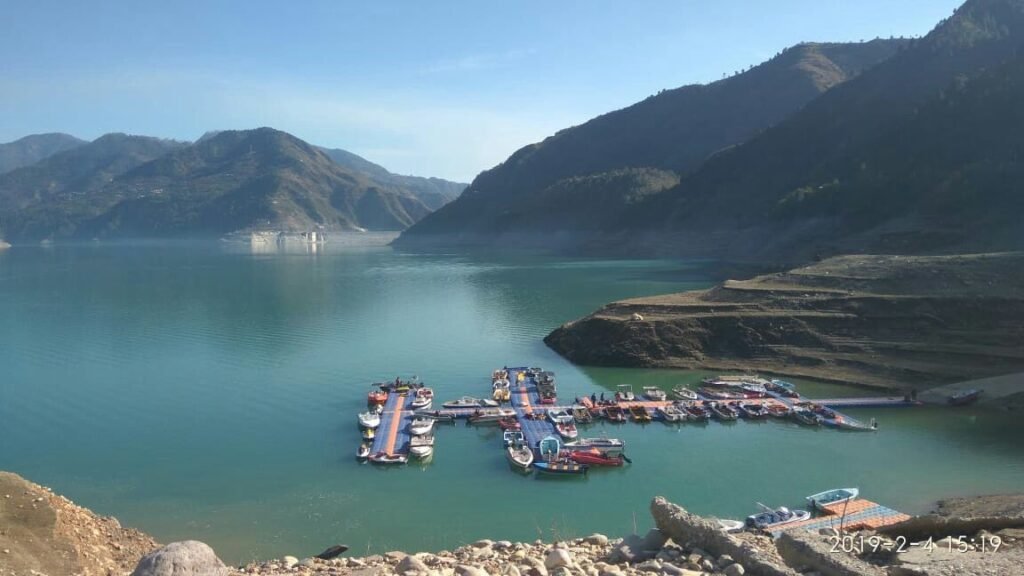
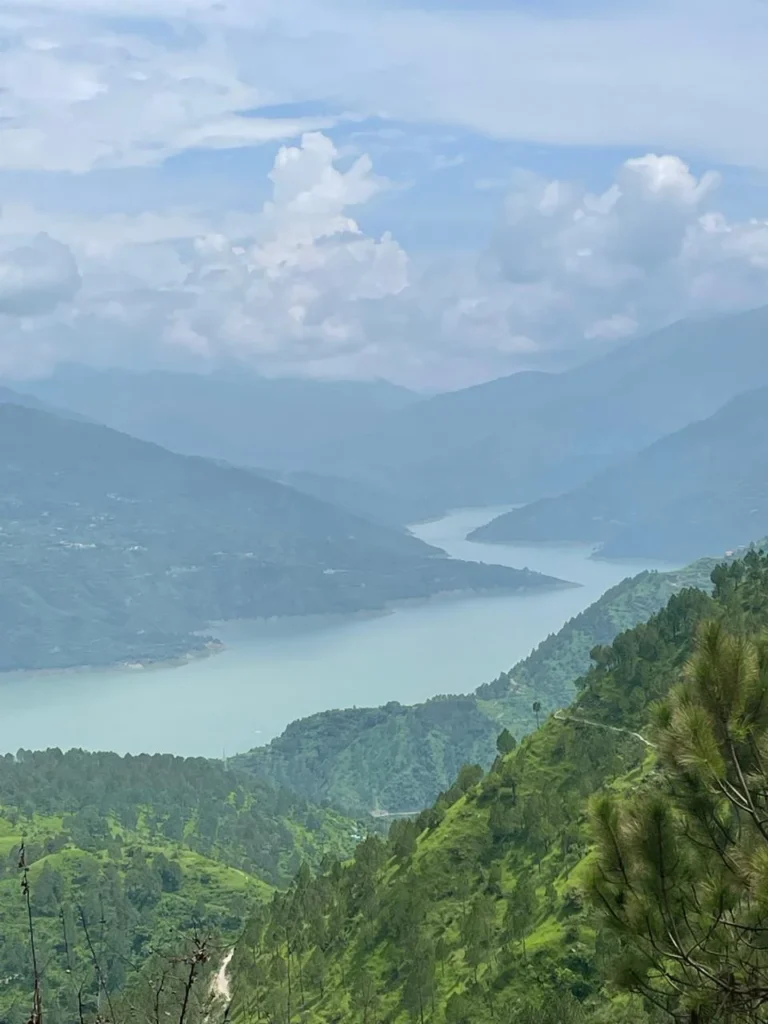
There’s a particular kind of place real estate people talk about in hushed, excited tones, but hasn’t been discovered yet. Goa in the ’90s. Alibaug a decade ago. Right now, in the Himalayan foothills of Uttarakhand, that place is New Tehri. If you’ve been tracking hill-property investments, you’ve probably heard the name floating around, Tehri Lake, Asia’s largest man-made lake, and the small hill town perched above it. But 2026 is the year New Tehri stops being a well-kept secret and starts becoming a headline as the government announced its investment plans in the region. And for anyone thinking about owning land or a home in the Himalayas, that combination of untouched natural beauty plus serious infrastructure money, is exactly the window you want to catch. The Government Has Ambitious Plans for the Region and has Budgeted for It In March 2026, Uttarakhand Chief Minister Pushkar Singh Dhami stood at Tehri Lake and inaugurated the Himalayan O₂ Tehri Lake Festival, a four-day celebration of adventure sports, culture, and tourism. What made this one different was the announcement of a ropeway project alongside tourism infrastructure investments, with the Chief Minister laying out his vision for Tehri Lake as a global adventure sports and tourism hub. The numbers behind that vision are hard to ignore. Officials confirmed that tourism and infrastructure projects worth more than ₹1,300 crore are currently being implemented around the lake, including a ring road to improve access to key viewpoints and recreational areas, and the development of the village of Timad as a community-based tourism destination. During the same event, the CM virtually laid the foundation stone for the Koti–Dobra tourism road, a 15-kilometre stretch estimated at around ₹318 crore and backed by the Asian Development Bank. This isn’t a one-off announcement, it’s part of a formally approved plan. Uttarakhand’s cabinet has given in-principle approval for developing the 42-square-kilometre Tehri Lake into a global tourism destination, with a consultant now being appointed to prepare the detailed project report and action plan. And the state isn’t thinking small. A high-level master plan reviewed by the Chief Secretary, explores seaplane operations on the lake and two helipads along the new ring road. These are aimed at cutting travel time from Dehradun and Rishikesh, with officials openly comparing the ambition to the likes of Lake Como and Lake Geneva. There’s also an international development partner in the mix. The plan includes a $126.4 million collaboration with the Asian Development Bank to build climate-resilient, low-carbon infrastructure, alongside training programs designed to support women-led entrepreneurship and local hospitality jobs. On the ground, that’s already translating into hard commitments with more than 400 youths in Tehri are currently undergoing paragliding training as part of a push to put Uttarakhand on the global paragliding map, alongside the rollout of waste management infrastructure including plastic compactor units and thousands of garbage collection points to protect the fragile ecosystem. For anyone who has watched a hill town before and after a government tourism push, this is the pattern that precedes a real re-rating in land values: festivals that draw crowds, roads that were promises becoming construction sites, and multilateral funding that de-risks the whole thing. New Tehri is at the start of Uttarakhand’s transformation into a hill destination. Untouched, On Purpose Here’s the part that doesn’t show up in the press releases but matters just as much: New Tehri hasn’t been over-built, over-marketed, or over-run. The area supports a small, largely agricultural rural population, with around 98 villages situated across the region and visitor numbers that remain small, even as they steadily rise. The wider Tehri Garhwal district sits in the mid-Himalayan region, bordered by Uttarkashi, Pauri Garhwal, Rudraprayag, and Dehradun, with the Bhagirathi, Bhilangna, Alaknanda, Ganga, and Yamuna rivers running through its landscape, which is a genuinely rare river system to have on your doorstep. The town itself has an unusual origin story that adds to its character rather than detracting from it. Old Tehri once stood at the confluence of the Bhagirathi and Bhilangna rivers, but the town was submerged to create the catchment for the Tehri Dam, and its population was resettled to the new hill town, New Tehri, that stands today overlooking the lake. What emerged from that resettlement is a town with genuine altitude, genuine forest cover, and none of the concrete sprawl you’d find in more “discovered” hill stations. This is exactly the kind of setting real estate should be built into. It’s also, not coincidentally, the philosophy behind Clemora Estate, a collection of luxury villas rising in New Tehri itself. Clemora doesn’t start with a blueprint; it starts studying the contours of the land, the light, and the region’s ancient trees, and letting them dictate where a home goes rather than the other way around. Sustainable construction, passive cooling, heritage landscape preservation across every plot, and private micro-ecosystems around each residence mean the “untouched” quality of New Tehri isn’t just a backdrop you view from a balcony, it’s built into how you live day to day. What There Is to Actually Do Here A second-home or investment property in the hills only works if there’s a reason to keep coming back. New Tehri doesn’t lack for that. Tehri Lake itself; kayaking, canoeing, jet-skiing, parasailing, and scuba diving are already active on the water, with the Himalayan O₂ festival showcasing all of it against the backdrop of the Garhwal Himalayas. As the ropeway and water-sports infrastructure come online, this only gets easier to access. Surkanda Devi Temple; a hilltop shrine with sweeping Himalayan views, one of several sacred sites (alongside Kunjapuri Devi and Raghunath Ji Temple) that give the region its spiritual pull. Trekking and forest trails through Himalayan cypress, Deodar, and Blue pine forest, with the kind of clean night sky that’s genuinely rare within a few hours of Delhi. New Tehri Dam; one of Asia’s tallest dams, worth seeing simply as a feat of engineering set against blue water and green hills. Local culture and food; Garhwali folk dance, festivals, and a Kumaoni thali that’s

Tehri Lake Water Sports: Ultimate Guide to Adventure on the Himalayan Reservoir
Uncategorized

Everyone Is Rushing to Goa and Himachal.Meanwhile, New Tehri Is Quietly BecomingIndia’s Most Exciting Destination.

I want to tell you about a place.Not the place you’ve been reading about in every travel listicle. Not the one yourcolleague just posted fourteen Instagram stories from. Not the one where a villa nowcosts as much as a small apartment in Gurugram because everyone ‘discovered’ itthree years ago and immediately made it expensive.I want to tell you about New Tehri. And I want to tell you now, before the rest ofIndia catches up. First, Let’s Talk About What You’re Missing While Everyone LooksWest Every year, the same conversation plays out in drawing rooms and WhatsApp groupsacross Delhi NCR.Goa is getting crowded. Manali is too commercial. Mussoorie has a traffic problemon weekends. Kasauli is lovely but tiny. And yet, the same names keep circling,because they’re familiar, because they’ve been written about a thousand times,because we book what we know.Meanwhile, tucked into the Garhwal Himalayas, about 95 kilometres from Rishikesh,sits a destination that has everything those places have, and several things theysimply don’t. It sits at 1,700 metres above sea level. It has Asia’s largest man-madelake on its doorstep. It has Himalayan peaks on the skyline and emerald green waterbelow. And until very recently, it was still a well-kept secret. The Story Underneath the Lake To understand New Tehri, you first need to know what’s beneath it.Under the waters of Tehri Lake lies Old Tehri, a town with 1,000 years of history,temples, markets, homes and generations of families, all submerged when the TehriDam was completed in 2006. The dam stands at 260.5 metres, the tallest in Indiaand the fourth tallest in the world. The reservoir it created, the Tehri Lake, spreadacross 42 to 52 square kilometres and reaches a depth of 262 metres.When you stand at the lake’s edge and look out at that vast stretch of emerald water,you are looking at a valley that once held an entire civilisation. There is a particular quality to this place because of that history. A stillness that isn’t just about thealtitude or the absence of noise.New Tehri was built on the hillside above as the planned replacement town, thedistrict headquarters of Tehri Garhwal. It is one of the few genuinely planned hilltowns in Uttarakhand, with wide roads, clear sightlines and a layout that doesn’t feellike it happened by accident. The Expressway That Changed Everything For years, the journey from Delhi to Tehri was the thing that kept this destinationfrom reaching its potential. Five to seven hours on mountain roads, which meantmost people treated it as a once-a-year expedition rather than a regular escape.In April 2026, that changed. The Delhi-Dehradun Expressway, a 210-kilometreaccess-controlled highway built at a cost of Rs 13,000 crore, brought Dehradun towithin 2.5 hours of Delhi. Tehri is roughly 45 minutes further. That means the entireTehri Lake experience is now a comfortable 3-hour drive from Connaught Place.A Thursday evening departure. A long weekend that actually feels long. A place thatis now close enough to be a genuine second home, not just a holiday.The expressway also passes through a 12-kilometre elevated wildlife corridor overRajaji National Park, the longest elevated wildlife corridor in Asia. It is the kind ofinfrastructure detail that tells you this road was built with permanence in mind. A Seaplane Just Landed Here. Yes, Really. On April 6, 2026, SkyHop Aviation’s 19-seater seaplane took off from Jolly GrantAirport in Dehradun and landed at Koti Colony on Tehri Lake. It was the firstsuccessful seaplane landing on the lake and a milestone the Uttarakhand governmenthad been working toward for years.SkyHop has since received its DGCA certification to operate India’s first dedicatedcommercial seaplane services, with Tehri Lake identified as one of the validatedoperational sites. The DGCA chose the lake specifically because as a deep-waterreservoir at altitude it maintains the water stability required for seaplane landingsyear-round.Let that sit for a moment. You will soon be able to fly into Tehri Lake. The journeyfrom Jolly Grant Airport to Koti Colony will take minutes, not hours. Forinternational guests and high-end travellers, this changes the accessibility equationentirely.Tehri Lake is being positioned to compete with Lake Como and Lake Geneva. That isnot a developer’s pitch. That is the Uttarakhand government’s stated objective in themaster plan currently under preparation. The Rs 1,294 Crore Transformation Already Underway The Asian Development Bank has approved a $126.42 million loan for sustainable,climate-resilient tourism development around Tehri Lake. ADB covers 80% of theproject cost, the Government of Uttarakhand covers 20%.Seven priority infrastructure projects are already in motion. The most significant ofthese include a 77-kilometre ring road around the lake, designed with dedicatedfootpaths and cycling tracks and scenic viewpoints, described as the critical lifeline ofthe entire development project. Construction has already commenced on the firstphase from Koti Colony to the Dobra Chanti Bridge.Also underway: the Koti Colony to New Tehri Ropeway, which will offer panoramicviews of the lake and the surrounding mountains. The development of Timad villageas a dedicated tourism village. Upgrades to the ISBT and City Centre worth Rs 24.33crore. A green cover and afforestation initiative worth Rs 29.12 crore. Two helipadsalong the ring road for high-end access from Dehradun and Rishikesh. And floatinglog huts on the lake for lakefront accommodation.Tehri has been formally declared a Special Tourist Area under the Tehri Special AreaDevelopment Act, with its own development authority, the TADA, specifically createdto oversee this transformation. India’s Longest Suspension Bridge. At Night. One of the most quietly spectacular things about Tehri is one that almost nobodyoutside the region knows yet.The Dobra Chanti Bridge, spanning 725 metres across Tehri Lake and standing 58metres above the water, is India’s longest motorable suspension bridge. Built over 14years and inaugurated in 2020, it connects Dobra and Chanti on either side of thelake, cutting travel between Tehri and Pratapnagar from 5.5 hours to 1.5 hours.At night, the bridge comes alive with a laser light show. From the lake by speedboat,you watch the illuminated span reflected in the water below, with the darkHimalayan ridgeline behind it. Travellers who have seen it describe it as genuinelyunexpectedly beautiful.For context: this bridge is compared, in shape and drama, to the Golden

Uncategorized

Can Your Holiday Villa Pay for Itself? The Real Numbers Behind Rental Income in India’s Hill Destinations

Most people buy a holiday home for the feeling.The views, the air, the idea of a place to escape to. Somewhere that belongs to you and only you, where the mornings are quiet and the evenings are long. What they discover, often pleasantly, is that the feeling comes with a side of income. And in India’s rapidly growing holiday villa market, that income is increasingly hard to ignore. The Market Has Changed. The Numbers Show It. India’s vacation rental market was valued at USD 3.45 billion in 2025, and isprojected to grow at a compound annual growth rate of 19.18% through to 2035,reaching nearly USD 20 billion. That’s not a niche. That’s a structural shift in howIndians travel and how they invest.Airbnb’s 2024 data tells the same story from a different angle. Guest spending on theplatform reached INR 112 billion in India in 2024. Domestic travellers made up 91%of all Airbnb guests in India that year, up from 79% in 2019. And the non-urbanshare of bookings, which includes hill stations, lake destinations, and smaller towns,tripled since 2019.Indians are travelling more, spending more on where they stay, and increasinglychoosing private villas and holiday homes over hotel rooms. For villa owners in theright locations, that means a growing pool of guests arriving with higherexpectations, and a willingness to pay for them. What Holiday Villa Rental Actually Earns Let’s get specific, because this is where most conversations stay frustratingly vague.Premium properties in the right locations across India are currently deliveringannual rental yields of 6 to 10%, with strong upside in high-footfall seasons. Goa, themost mature villa rental market in the country, sees luxury villas in North Goagenerating yields of 8 to 12% annually. These are not outliers. They’re the result of adestination with consistent year-round demand, a well-developed bookinginfrastructure, and a guest profile that expects, and pays for, quality.Short-term rentals in tourist-heavy areas in India typically earn 2 to 3 times morethan the equivalent long-term lease on the same property. For a hill villa where the annual long-term rental might yield 3 to 5%, a well-managed short-term holidayrental in a growing tourism destination can push that meaningfully higher.Occupancy rates in prime hill locations are stabilising around 60 to 65% annually,with popular destinations seeing Revenue Per Available Room growth of 5 to 8%year-on-year. At 65% occupancy, a villa renting for Rs 15,000 per night generatesroughly Rs 35 lakh a year in gross rental income before costs. At a higher nightly rate,that number moves significantly. Why Hill Destinations Are a Particular Opportunity Right Now Goa has a 30-year head start on holiday rental culture. Mussoorie and Manali havethe name recognition. But the economics of a mature market, high land prices,saturated listings, competitive rates, don’t always work in an investor’s favour.The more interesting opportunity, as with most investments, is in the destinationsthat are growing into their demand rather than already swimming in it.Uttarakhand had over 40 million visitors in 2024, with tourism contributingapproximately 14.57% of the state’s SGDP. The Delhi-Dehradun Expressway,inaugurated in April 2026, has brought Dehradun to within 2.5 hours of Delhi,reshaping the psychology of distance for a base of 33 million potential weekendtravellers. Property prices in key stretches along this corridor are projected toappreciate by 15 to 25% as a direct result.For holiday villa investors, this creates a specific window: a destination with strongand growing demand, improving infrastructure, and still-accessible entry pricesbefore the market fully reprices itself. The Ownership Model: Use It, Rent It, Appreciate It One of the underappreciated advantages of a holiday villa over a commercialinvestment is the flexibility of the ownership model.You set aside the weeks you want to use personally, typically the shoulder season orspecific holidays, and the property earns during the rest of the year. Unlike acommercial asset, which either earns or doesn’t, a holiday villa is productive on bothaxes: generating rental income during occupied periods and providing personal useduring others. The lifestyle is not a cost. It’s a benefit you retain alongside the return.This also means the emotional maths works differently. A property that earns Rs 25to 30 lakh a year in rental income, while also being the place where your familyspends its summers and long weekends, is not being evaluated purely on yield. Thecombined value, financial and personal, is considerably higher than the number onits own suggests. What Makes a Holiday Villa Earn Well Not every villa in a good destination earns well. The difference between a strongperformer and an average one comes down to a few consistent factors. View and setting are the first filter. Guests paying premium nightly rates are payingprimarily for what they see and feel, not just square footage. An unobstructed lake ormountain view commands rates that a similarly sized property without one simplycannot match.Design and finish matter at the upper end of the market. Modern travellers,particularly the urban professional and HNI segment driving India’s domesticpremium travel growth, are choosing experiences. A thoughtfully designed villa withquality interiors, good light, and a sense of place photographs well, reviews well, andbooks well.Ecology and surroundings are increasingly part of the value proposition. Propertiesembedded in genuine nature, with mature trees, clean air, and the sounds of a livinglandscape rather than a cleared plot, command a premium. The wellness travelsegment, one of the fastest-growing in Indian tourism, is looking for exactly this.And managed availability matters. A villa on Airbnb, Booking.com, and a well-managed independent listing, with professional photography, responsive hosting,and dynamic pricing, consistently outperforms one that is sporadically available andpassively managed. The Other Return: Appreciation Rental income is one part of the story. The second part, which tends to beunderweighted in early conversations but looms larger over time, is capitalappreciation.Pre-launch properties in emerging hill destinations have historically appreciated 20to 35% before construction completion, for buyers who enter at the right moment. InDehradun, average property prices rose 30.9% in Q3 2025 alone. In Goa’s luxurysegment, North Goa villa prices saw a 28% year-on-year rise in early 2024.For a villa that is also generating annual rental income, the total return picture, yieldplus appreciation, compares favourably with most alternative asset classes

Uncategorized

The Rise of Hill Station Real Estate Near Delhi NCR: Why the Hills Are No Longer Just a Holiday

Something shifted in the way Delhi NCR looks at the hills.It used to be a relationship built on weekends. You went up, you came back, youcarried a jar of honey and some good memories. The hills were a pause. Aparenthesis in real life.That’s changing. And it’s changing fast enough that the numbers are hard to ignore. The City That Can’t Stop Growing, and the Buyers Looking Beyond ItDelhi NCR’s real estate market had a remarkable 2024. Average NCR property pricesrose approximately 30% during the year, the highest among India’s top metros. Salesof homes priced above Rs 4 crore grew roughly 38% between January and September2024, led by Delhi NCR’s urban wealthy. Luxury housing sales in H1 2025 jumped afurther 85%, with NCR contributing more than half of those transactions.The city is doing well. But doing well in a city has its own fatigue. The traffic, the airquality, the sense that every square foot of green is quietly losing ground to anothertower.A growing number of HNI buyers in Delhi NCR are not looking for a bigger home inthe city. They’re looking for a different kind of home, somewhere else entirely. The Expressway That Changed the GeographyThe single biggest catalyst in this shift is also the most recent: the Delhi-DehradunExpressway, a 210-km highway built at an estimated cost of Rs 13,000 crore byNHAI, inaugurated in April 2026. It connects Akshardham in New Delhi directly toDehradun. The journey that once took 5 to 7 hours now takes just 2.5 hours. It’s hard to overstate what that does to the psychology of distance. A hill home that was a full day’s commitment each way is now a Thursday eveningdeparture. It becomes a long-weekend address rather than a once-a-quarterexpedition. Property prices in key stretches along this corridor are projected toappreciate by 15 to 25% as a direct result of this improved connectivity. The expressway also features a 12-kilometre elevated wildlife corridor through RajajiNational Park, the longest elevated wildlife corridor in Asia, a detail that signals thisinfrastructure was designed with ecological care and staying power. What the Buyers Are Actually Looking ForThe demand isn’t uniform. It’s sorting itself into fairly distinct profiles, andunderstanding them matters for anyone thinking about this market. Delhi-NCR and Mumbai buyers are targeting view plots in Mukteshwar andMussoorie for villas or homestays. NRIs, particularly US and UK-based buyers withroots in Uttarakhand, are making enquiries for retirement homes in Almora andTehri. Wellness and spirituality-oriented buyers are looking at Pauri and remoteparts of Garhwal for eco-retreats and yoga centres. What these profiles share is an appetite for something the city simply cannotprovide: space, quiet, clean air, and a landscape that doesn’t require a flight to access. The rise of remote and hybrid work has accelerated this shift considerably. Manyprofessionals who can now work from anywhere have discovered that working fromthe hills isn’t a compromise, it’s an upgrade. For this group, a hill home isn’t aholiday. It’s a headquarters. The Uttarakhand Advantage: Why This State in Particular Several hill states have seen increased second-home interest, but Uttarakhandoccupies a specific and compelling position. Its proximity to Delhi is unmatched. No other Himalayan state gives you a genuinemountain landscape at under 5 hours from Connaught Place, now reduced to 2.5hours from the expressway terminus. Its tourism infrastructure is mature, itsgovernment is actively investment-friendly, and its natural capital, the Ganga, theChar Dham circuit, the Himalayan wildlife zones, the lakes, creates intrinsicdesirability that doesn’t depend on any single developer or project. The Rishikesh-Karnaprayag railway line, when complete, will open up remoteregions of Garhwal currently accessible only by road, adding another layer of long-term connectivity to the investment case. The Tehri Opportunity: Before the Crowd Arrives While Dehradun and Mussoorie absorb most of the headline attention, a quieter andarguably more interesting opportunity has been opening up around New Tehri andthe Tehri Lake reservoir. Sitting at 1,700 metres above sea level, Tehri Lake is Asia’s largest man-madereservoir, formed by one of the tallest dams in the world. The Uttarakhandgovernment has committed over Rs 1,300 crore in tourism infrastructure around thelake, including a ring road, ropeway, and adventure sports facilities. The annualTehri Lake Festival draws athletes and visitors from across India and beyond. What Tehri doesn’t have yet is the saturation that comes after discovery. Land valuesare still at the stage where early buyers enter before the narrative fully forms. Inevery destination that has eventually become desirable, Goa, Alibaug, Kasauli, Coorg,there was a window like this. It’s recognisable only in retrospect, unless you’re payingattention early. What the Numbers Say About the Decision For buyers weighing this seriously, a few data points are worth sitting with. According to a Magicbricks report, housing demand across hill destinations grew by8.2% year-on-year in the July-September 2025 quarter, before the Delhi-DehradunExpressway’s full inauguration. Dehradun alone recorded price appreciation of30.9% during that same period, one of the sharpest in the country. Residential properties in Dehradun generate rental yields of 3 to 5% annually, whilecommercial spaces offer 6 to 8%. For a second home that you also use personally fora portion of the year, the effective return on the non-occupied period is meaningfullyhigher. Pre-launch properties in emerging hill destinations have historically seen 20 to 35%appreciation before construction completion, for buyers who enter at the rightmoment. That window, like all windows, doesn’t stay open indefinitely. A Note on What to Look For Not all hill real estate is equal, and this market rewards specificity. Location permanence matters more than convenience in the hills: a view that can’t bebuilt out, a site that benefits from elevation rather than fighting it. Constructionquality matters more than in the plains, where seismic considerations and slopeengineering separate thoughtful projects from opportunistic ones. And the ecology ofa place, its flora, its water, its proximity to genuine forest rather than cleared land, isnot a luxury consideration. It is fundamental to what makes a hill address worthreturning to. Projects that have taken these factors seriously from the start, rather than addressingthem after the architecture was finished, tend to hold and grow their value differentlyover time. A handful

Uncategorized

Closing the Ecosystem Gap: How Bees, Birds, and Native Trees Create a Self-Sustaining Living Environment

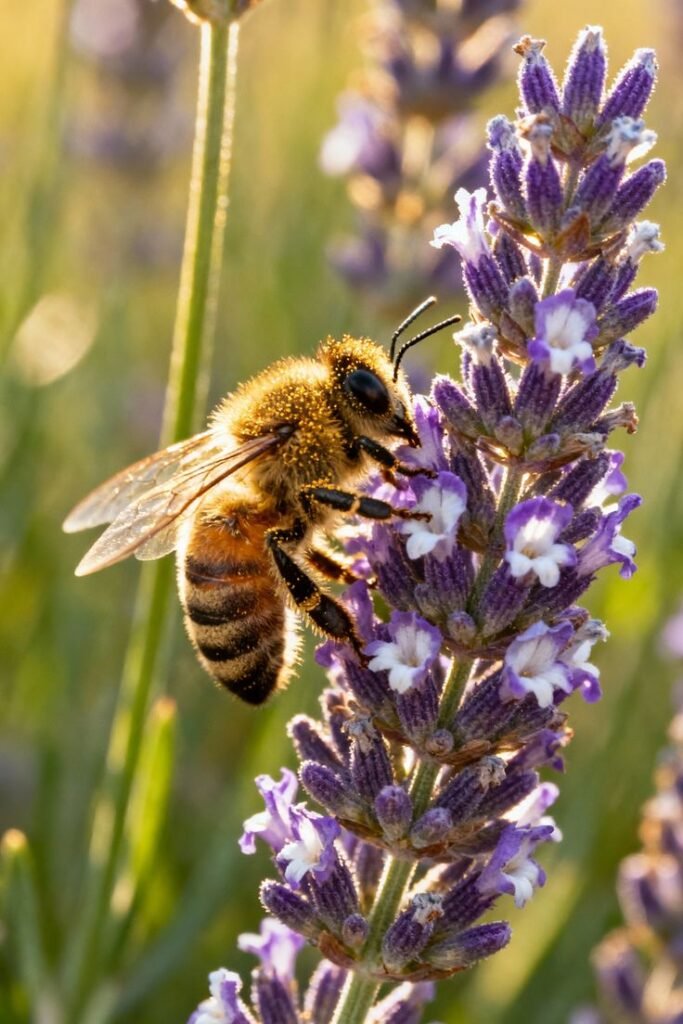
Category: Ecology, Biodiversity & Sustainable Landscapes There’s a particular kind of quiet you notice in a truly healthy landscape. Not silence—quite the opposite. It’s birdsong layered over the hum of insects, the rustle of leaves that haven’t been pruned into submission, the sense that everything around you is busy doing something, even if you can’t quite tell what. It’s the sound of a place that’s actually alive, not just maintained. Most landscaped spaces don’t sound like that. They’re beautiful, certainly. But they’re often strangely empty—a lot of green, very little going on underneath it. The difference between the two comes down to something most of us never think about: bees. Why the Smallest Things Hold the Whole Picture Together Here’s a fact that’s easy to forget while admiring a beautiful garden: roughly a third of everything we eat exists because something with wings visited a flower first. Three-fourths of the world’s flowering plants and about 35% of global food crops depend on pollinators to reproduce. Take that away, and you don’t just lose honey—you lose apples, mustard, coffee, and a long list of things that make a landscape, and a kitchen, genuinely interesting. This matters more in the Himalayan belt than almost anywhere else in India. Field researchers studying native bee populations in Odisha found that four out of five species studied had declined by up to 90% over just a few decades. Nationally, India has lost over 40% of its honeybee population in the last 25 years. And in Uttarakhand specifically, researchers now describe what’s unfolding as a “pollination crisis” driven by habitat loss, pesticide use, and the slow disappearance of the mixed, native landscapes pollinators depend on. So while it’s tempting to think of bees as a small, faraway concern, they’re actually one of the best indicators of whether a landscape is genuinely healthy—or just nicely arranged. A Garden Isn't the Same as an Ecosystem Most landscaping today is decorative. A neat hedge, a manicured lawn, an ornamental shrub chosen because it looks good in a brochure. It photographs beautifully, but on its own, it does very little for the actual life of a place. A real ecosystem works more like a chain than a checklist. Native trees and shrubs—oak and willow, for instance—don’t just look good. They offer shelter and breeding grounds for the butterflies, moths, and pollinators that have grown alongside them for generations. Without that native backbone in place, the insects that should call a landscape home have nowhere to settle. Without insects, the birds that rely on them have less reason to stay. Without birds, seed dispersal and forest regeneration slow down too. This doesn’t mean a landscape needs to be exclusively native to function well—even celebrated botanical gardens around the world mix the two deliberately. It means the native layer has to be substantial enough to do its job. Most ecologists point to a rough threshold: native species should make up at least 75% of a landscape’s planting for it to function as a genuine habitat, leaving real room for a smaller proportion of ornamental or imported species to do what they do best—provide structure, seasonal colour, and the kind of singular, photograph-worthy moments a garden is also allowed to have. Think of it less as native versus imported, and more as a hierarchy: a strong ecological foundation, with room for a few spectacular exceptions layered on top. A single, beautifully placed ornamental tree can become the visual anchor of an entire garden—provided the ecosystem around it is doing the quieter, unglamorous work of actually functioning. Most landscaping today is decorative. A neat hedge, a manicured lawn, an ornamental shrub chosen because it looks good in a brochure. It photographs beautifully, but on its own, it does very little for the actual life of a place. A real ecosystem works more like a chain than a checklist. Native trees and shrubs—oak and willow, for instance—don’t just look good. They offer shelter and breeding grounds for the butterflies, moths, and pollinators that have grown alongside them for generations. Without that native backbone in place, the insects that should call a landscape home have nowhere to settle. Without insects, the birds that rely on them have less reason to stay. Without birds, seed dispersal and forest regeneration slow down too. This doesn’t mean a landscape needs to be exclusively native to function well—even celebrated botanical gardens around the world mix the two deliberately. It means the native layer has to be substantial enough to do its job. Most ecologists point to a rough threshold: native species should make up at least 75% of a landscape’s planting for it to function as a genuine habitat, leaving real room for a smaller proportion of ornamental or imported species to do what they do best—provide structure, seasonal colour, and the kind of singular, photograph-worthy moments a garden is also allowed to have. Think of it less as native versus imported, and more as a hierarchy: a strong ecological foundation, with room for a few spectacular exceptions layered on top. A single, beautifully placed ornamental tree can become the visual anchor of an entire garden—provided the ecosystem around it is doing the quieter, unglamorous work of actually functioning. What Happens When the Connections Are Restored… Get this right, and the effects compound quickly—and, of course, beautifully. A well-designed native landscape doesn’t just support bees. It draws in butterflies, beetles, birds, and small mammals, each quietly doing its part. Pollinators alone contribute to biodiversity, aid plant growth, help prevent soil erosion, support carbon sequestration, and improve water quality—all simply by going about their business of looking for flowers. A single mature oak, properly rooted in a native landscape, can end up supporting dozens of interconnected species of insects, birds, and fungi. It becomes less a single tree and more a small, thriving neighbourhood of its own. And the canvas in this part of the Himalayas is extraordinary. Uttarakhand is home to over 600 bird species and 102 mammal species,

Uncategorized

Your Home Has Been Slowly Stressing You Out. Here’s What the Science Says and How to Fix It.

Let’s be honest. You’ve worked very hard for your home. You’ve chosen the tiles,debated the kitchen counter, possibly had a strong opinion about the ceiling height.And yet on a Sunday afternoon, in the middle of that beautiful home ,something stillfeels like it’s missing.You’re not imagining it. And it’s not the sofa.What’s missing, as it turns out, is something far older than interior design trends. It’snature. And there’s now a substantial body of scientific research to prove that ourbodies and minds genuinely, measurably suffer when they don’t get enough of it.Welcome to the world of biophilic design and no, it’s not a complicated word foradding a pot plant to your living room. First, a Number That Should Make You Pause 1 in 2 urban Indians 53% say they have experienced stress significant enough toimpact their daily life in the last year. That’s not a wellness industry talking point.That’s an Ipsos survey of real people in real cities.Around 80% of Indians experience at least one symptom of stress on a regular basis,according to ICICI Lombard’s Indian Wellness Index 2024. And here’s the part thereport buries in a footnote: people in Tier 1 cities show higher levels of depressionsymptoms than the rest.The city, it turns out, is not neutral. The concrete, the noise, the absence of green itadds up. It has a physiological cost that we pay quietly, every day, in cortisol.Urban residents spend approximately 80% of their lives indoors, often entirely cutoff from the natural world that our bodies were ,let’s not forget designed for. Weevolved over hundreds of thousands of years surrounded by trees, water, birdsong,and the smell of rain on soil. We moved into air, conditioned boxes about fifty yearsago. Our nervous systems haven’t quite caught up. What Biophilic Design Actually Means The term comes from biophilia .. the innate human tendency to seek connection withnature and other living things. The concept was formalised by Harvard biologistEdward O. Wilson in the 1980s, but the idea is as old as the first person who chose tosit under a tree instead of a wall. Biophilic design is the intentional integration of natural elements , the light,greenery, water, natural materials, views, airflow, texture , into built spaces. The goalisn’t to make your home look like a botanical garden. It’s to make your home feel theway human beings are neurologically wired to feel good.And the research on what that actually does to you is, frankly, remarkable.A 2024 systematic review found that biophilic design in hospitals reduceshospitalisation time, patient mortality, and pain levels, while also alleviating anxietyand supporting faster recovery. If it works in hospitals ,arguably the least relaxingbuildings on earth , imagine what it does in a home that’s been designed for it fromthe ground up.Exposure to natural environments improves working memory, cognitive flexibility,and attentional control, while exposure to urban environments is linked to attentiondeficits. Nature, in other words, is not just a nice backdrop. It is an active input intohow your brain performs. The Flora Factor: Why the Right Plants Are Not Decorative, They’re Functional Here’s where it gets interesting  and specific.Not all greenery is created equal. The difference between a generic ornamental plantbought off a nursery shelf and a native species that has evolved over thousands ofyears in a particular landscape is the difference between a decorative prop and aliving system.Native trees and plants do things that imported species simply cannot. They supportlocal pollinators. They communicate with the soil’s microbial networks. Theyregulate the microclimate around your home reducing temperature, improving airquality, and creating the kind of layered, multitexture sensory environment thatbiophilic research consistently identifies as the most restorative.Homes with good landscaping can attract up to a 14% increase in resale value, withan investment of just 5% of home value in landscaping generating up to 150% ROI onresale. So yes ,the right plants are good for your nervous system and your balancesheet. A rare combination.In the Himalayan foothills, this is particularly relevant. The Himalayas are home toan extraordinary diversity of flora including oaks, Indian horse chestnuts, alder trees,and over 4,000 species of flowering plants in the eastern ranges alone. Designingwith these species isn’t just ecologically responsible it means your home isembedded in a living, self, sustaining landscape that grows richer, not poorer, overtime.The Himalayan Pine , known locally as Kail is air pollution resistant, low,maintenance, and provides natural barriers against wind, temperature fluctuation,noise, and soil erosion, all while benefiting local air quality and wildlife. It grows to150 feet in its native range. It’s been shading the Garhwal hills long before anyonethought to call it “biophilic.” The Sensory Bit .Now This Is The Part Most People Forget Biophilic design is not just visual. This is the point that most people miss when theythink it’s just about putting more windows in.Biophilic design incorporates sensory elements including sound, texture, smell, andvisual cues both directly and indirectly. The sound of water. The smell of pine resinin the morning. The feeling of a cool stone underfoot. The way dappled light movesthrough leaves and onto a wall.Each of these is a distinct neurological input. Each of them triggers a differentphysiological response , and most of them is restorative.This is why a well, designed biophilic home doesn’t just look good in photographs. Itfeels different to live in. There’s a quality to the air, the light, the ambient sound thatis hard to articulate but immediately perceptible. Guests notice it before they canname it. You feel it before breakfast. What This Means for How We Build at Clemora At Clemora Estate, biophilic design isn’t a feature that was added to the brief. It is the brief. Sitting in the Himalayan landscape of New Tehri, every villa has been designed around one simple truth: you didn’t buy a second home to replicate your first one. You bought it to feel different. To breathe differently. To wake up and have the view do half the work before your coffee does the other half. The native flora of the Garhwal region, the movement of natural light, the unobstructed sightlines to the water and the

Kumaon & New Tehri: A Smart Investment Opportunity in Uttarakhand
Uncategorized

Kumaon & New Tehri: A Smart Investment Opportunity in Uttarakhand

There is a part of Uttarakhand that most investors have not looked at yet. While Goa is getting crowded and Himachal Pradesh is getting expensive, something quiet is happening in the Kumaon hills and along the shores of New Tehri. The data points to a clear opportunity — and those who act early will benefit the most. This is not just about buying a holiday home. It is about understanding where India’s travel and hospitality industry is heading — and why the Kumaon-Tehri area is right in that path. Uttarakhand’s Tourism Growth Is Here to Stay Let’s start with the big picture. Uttarakhand received 5.96 crore visitors in 2023, up from 3.68 crore in 2018 — a jump of nearly 62% in just five years. By mid-2024, the state was on track to cross 6 crore visitors in a year. The state government has set a target of doubling that number to 70 million visitors by 2030. This is not a short-term bounce after COVID. It is a lasting change in how people in cities — especially in Delhi-NCR, with over 33 million residents — think about travel, second homes, and getting away from the stress of city life. After 2020, the desire for nature, peace, and clean air became a permanent priority for many Indians. Tourism already makes up about 14.57% of Uttarakhand’s state economy. It is one of the fastest-growing sectors in the state. The real question for an investor is not whether hospitality in Uttarakhand will grow. It will. The question is: where is the next wave of growth happening before everyone else notices? Why Kumaon Is Different When most people think of Uttarakhand, they think of Haridwar, Rishikesh, or Mussoorie. These are well-known places, but they are also crowded markets. Land prices are high, good properties are hard to find, and it is difficult for new investors to enter at a reasonable price. Kumaon is a different story. Located in the eastern part of Uttarakhand — covering areas like Almora, Nainital, Pithoragarh, and Champawat — Kumaon offers things that more famous destinations cannot: Beautiful, unspoiled landscapes Lower land costs Visitors who spend more money and stay longer The region has long attracted thoughtful travellers. Artists, writers, and wellness seekers have been drawn to places like Kasar Devi in Almora for decades. Today, a new generation of curious, well-off travellers is looking for exactly what Kumaon offers — nature, quiet, and an escape from over-touristed places. Good quality properties in Kumaon already command strong nightly rates because supply is still limited compared to demand. Boutique hill properties in Uttarakhand see average occupancy of 74% during peak season (April to June and September to November), and the best Kumaon properties often do even better. At the Global Investor Summit in December 2023, Uttarakhand received investment commitments of Rs 47,646 crore in tourism alone — part of a total of Rs 3.56 lakh crore — showing that large institutions are confident in this region’s future. New Tehri: Asia’s Largest Man-Made Lake, India’s Most Overlooked Destination If Kumaon is a slow, steady discovery, New Tehri is a headline waiting to be written. Tehri Lake was formed by the Tehri Dam on the Bhagirathi River — one of the tallest dams in the world at 260.5 metres. It is Asia’s largest man-made reservoir. Sitting at 1,700 metres above sea level, it is surrounded by the Himalayan hills, with clear green water and snow-capped peaks in the background. The government is treating it as a national tourism priority. As of early 2026, over Rs 1,300 crore worth of infrastructure projects are underway around Tehri Lake. These include: A ring road around the lake A ropeway connecting Koti Colony to New Tehri Development of Timad village as a dedicated tourism village Expansion of adventure sports facilities The Uttarakhand Chief Minister has publicly said the goal is to make Tehri a world-class destination for tourism, adventure sports, and outdoor recreation. The annual Tehri Lake Festival is already a major event, attracting visitors from across India and abroad for activities like kayaking, parasailing, jet skiing, hot air ballooning, and water zorbing. The lake is busiest between April and October, and visitor numbers grow every season. Here is the key point for investors: this is a destination with Asia’s largest man-made lake, over Rs 1,300 crore in confirmed government investment, a growing calendar of events — and yet quality accommodation is still far short of what is needed. New Tehri is also less than 300 kilometres from Delhi. What the Numbers Tell Investors India’s luxury second-home market is currently worth over $3 billion and is growing at 20% per year (ANAROCK Group). Three out of four ultra-high-net-worth individuals in India now own a second vacation home — and many use them as short-stay rental assets that earn income while also growing in value. According to India Sotheby’s International Realty’s 2025 survey, 54% of wealthy buyers are specifically looking at hill or beach destinations for their next property purchase. There is strong and growing appetite for premium villas and landed homes in scenic locations. Luxury villa inventory in India is forecast to grow at an 11.20% annual rate through 2031 (Mordor Intelligence). The rental segment within luxury real estate is growing even faster — at 12.25% per year through 2031. This directly benefits investors who own managed villas near popular travel destinations. Properties bought before launch in emerging hill destinations have historically appreciated 20 to 35% before the buildings are even completed, for buyers who enter at the right time. NRIs invested USD 13.1 billion in Indian real estate in 2023 (RBI data), with a significant share going into second-home markets — and this trend is continuing. This Window Will Not Stay Open Forever The same story has played out at every destination that later became desirable. Goa in the early 2000s. Alibaug a decade later. Kasauli, Coorg, Rishikesh — each had a window when land was affordable, supply was thin, and the destination was not

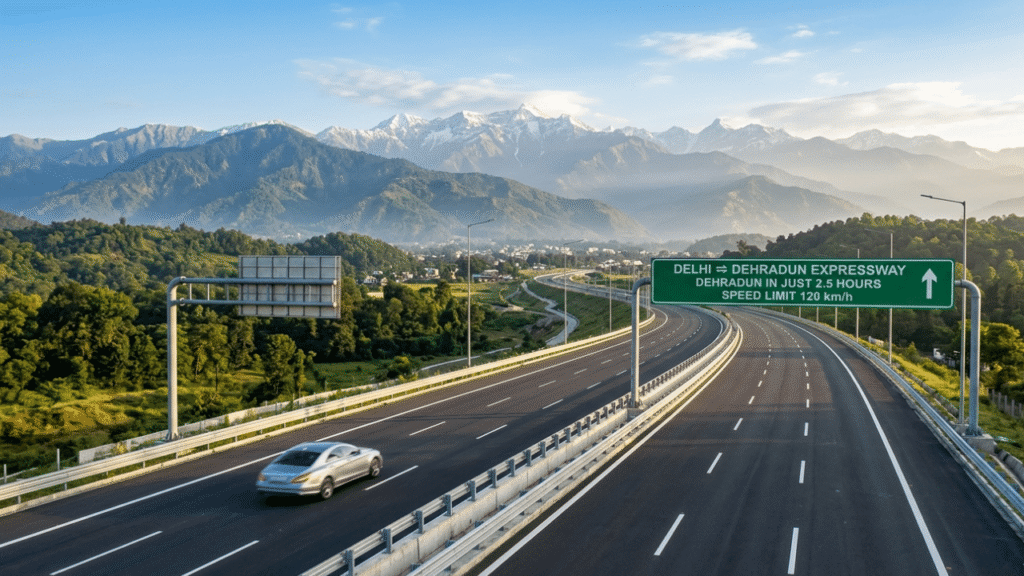
The Delhi–Dehradun Expressway is a 213-kilometer, six-lane access-controlled highway built at a cost of over ₹12,000 crore. It connects Delhi, Uttar Pradesh, and Uttarakhand seamlessly, making travel faster, safer, and more efficient.
Uncategorized

Delhi to Dehradun in Just 2.5 Hours: A Game-Changer for Travel & Tourism

On April 14, 2026, a major milestone in India’s infrastructure development was achieved as Prime Minister Narendra Modi inaugurated the much-awaited Delhi–Dehradun Expressway. This transformative project is set to redefine travel between the capital city and Uttarakhand’s serene landscapes. A New Era of Connectivity The Delhi–Dehradun Expressway is a 213-kilometer, six-lane access-controlled highway built at a cost of over ₹12,000 crore. It connects Delhi, Uttar Pradesh, and Uttarakhand seamlessly, making travel faster, safer, and more efficient. What once took around 6 hours can now be completed in just 2.5 hours, making weekend getaways and short trips more convenient than ever. Highlights of the Expressway Reduced travel time from 6 hours to 2.5 hours Advanced traffic management systems for smoother journeys Multiple interchanges, underpasses, and bridges Eco-friendly design with Asia’s longest elevated wildlife corridor Enhanced safety and driving experience One of the most unique features is the 12 km wildlife corridor through Rajaji National Park, ensuring safe movement for animals while maintaining ecological balance. Boost to Tourism in Uttarakhand This expressway is not just a road—it’s a gateway to tourism growth. With easier access, destinations like Dehradun, Mussoorie, Rishikesh, and Tehri are expected to see a surge in visitors. Travelers from Delhi and nearby cities can now plan quick weekend escapes to the hills without worrying about long travel hours or traffic congestion. What This Means for Clemora Estate For travelers seeking a peaceful retreat in Uttarakhand, this development is a big win. With faster connectivity: Weekend trips become effortless Luxury stays like Clemora Estate are now more accessible Perfect for workations, family getaways, and romantic escapes Located amidst nature, Clemora Estate offers a tranquil experience away from city chaos—now just a few hours’ drive from Delhi. Why Now is the Best Time to Visit With improved infrastructure and reduced travel time, there has never been a better moment to explore Uttarakhand. Whether you’re looking for scenic beauty, adventure, or relaxation, the journey is now as enjoyable as the destination. Final Thoughts The Delhi–Dehradun Expressway marks a significant step toward modern infrastructure and tourism growth in India. It not only enhances connectivity but also opens new opportunities for travel, investment, and regional development. For travelers, it means one simple thing:The mountains are now closer than ever. Frequently Asked Questions (FAQ) How much time does the Delhi–Dehradun Expressway save? The expressway reduces travel time significantly—from around 6 hours to just 2.5 hours. This makes it ideal for quick weekend trips and hassle-free travel between Delhi and Uttarakhand. What makes the Delhi–Dehradun Expressway unique? One of its standout features is the 12 km elevated wildlife corridor through Rajaji National Park, which ensures safe animal movement while maintaining ecological balance. Additionally, it includes advanced traffic systems, multiple interchanges, and enhanced safety measures for a smoother driving experience. Use Clemora Estate, New Tehri as your base to explore Chamba, Kanatal, and Dhanaulti in one trip. Book at clemoraestate.in

Scroll to Top